
Watching the World Cup? Drink Wine From, Well, Everywhere
The World Cup kicked off last night all over North America. Drink these wines to toast your favorite team.


It’s kind of funny to be writing a newsletter about what to drink while watching the World Cup since I likely won’t be watching much of it. But I am very much in the minority as upwards of five billion people globally will watch it on TV, digital or streaming, and social media, as happened during the last World Cup in Qatar, according to FIFA.
A total of 48 teams will compete during 104 matches in 16 host cities across the US, Canada, and Mexico. I’m sure plenty of beer will get drunk as well tequila, whiskey, and vodka. But also wine.
While not every country that will make an appearance in the Cup produces wine, plenty do. And I’m not listing every wine-producing country playing, including France and the U.S., but there are enough here to keep things interesting. So if you’re looking for something to drink while watching, here are some suggestions.
If you’re rooting for …
Mexico
You don’t normally think of wine coming from such a hot climate, but Mexico’s Valle de Guadalupe in Baja California has been producing stunning wines for years. Producers are making cabernet sauvignon, nebbiolo, tempranillo, chardonnay, chenin blanc, and more. Look for bottles from Adobe Guadalupe, Monte Xanic, L.A. Cetto, Casa Magoni, Bruma, and Casa de Piedra.
South Africa
For years, if you heard “South African wine” you likely thought of pinotage, a cross between pinot noir and cinsault — and it wasn’t generally well regarded (it was like someone mixed burnt rubber and coffee with grape juice. These days, there are higher-quality pinotages out there, but you can also find some lovely red blends and single varietal wines, especially cabernet, merlot, chenin blanc and sauvignon blanc. Look for bottles from Graham Beck, Klein Constantia, Backsberg, and Babylonstoren.
Canada
You may be familiar with Canada’s excellent ice wine like Inniskillin and Jackson-Triggs from the Niagara Peninsula, but our neighbors to the north have so much more. Producers in Niagara are also making riesling, chardonnay, gamay, and pinot noir. Head west to the Okanagan Valley and you’re seeing some world class wines in this “Napa to the North.” I’ve been there twice and have tasted amazing chard, cab franc, syrah, rosés, blaufrankisch, and more. Sadly it’s difficult to get most of those wines in the U.S., but if you can, look for Peller Estates, Mission Hill, Quails Gate, Phantom Creek, and Mt. Boucherie.
Türkiye
Turkish wine may not be the first thing you think of when grabbing a bottle, but the western region of the vast country that sits along the Mediterranean Sea as well as the more central area of Anatolia are collectively home to around 150 wineries. You’ll find indigenous grapes like öküzgözü and boğazkere, but also international varieties including cabernet, chard, viognier, merlot, and cab franc. Fine Turkish Wines imports a variety of these wines and if you come across Selendi, grab some.
Germany
Home to some of the most acclaimed riesling in the world, you can also get excellent pinot noir and pinot blanc. Plenty of German wines are imported into the U.S. and if you’re a fan of riesling, you can find it in a range of styles from bone dry to syrupy sweet. Names to look for: Prum, Loosen, Schloss Leiser, Leitz (which also makes some of the better N/A wine), and others.
Spain
Ahh España! Tempranillo, garnacha, albariño, viura, mencia … this country knows how to do wine. You’re likely most familiar with Rioja, those prized tempranillo wines, but also look at Rias Baixas, Priorat, Ribera del Duero, and Rueda. You’ll find some excellent wines at really good prices. Some names: Marques de Murrieta, Lopez de Heredia, Muga, Marques de Riscal, Artadi, Clos Mogador, La Caña, Martín Códax, and Granbazán.
Uruguay
Often overlooked for the more well-known Argentinean wines next door, the wines of Uruguay are ready for their time in the spotlight. When I visited the country in 2018, I expected to taste bold, super tannic reds as their primary grape is the traditionally dry tannat. What I found was a range of gorgeous wines softened by the maritime influence: sauv blanc, pinot noir, cab franc, chardonnay, tempranillo, and yes, tannat. Look for: Bodega Garzón, Familia Deicas, Bouza, Don Pascual, and Cerro Chapeau.
Argentina
You can’t talk about the World Cup without mentioning the 2022 champs. And you can’t mention Argentina without mentioning malbec, the French grape that put this South American country’s wine region on the global map. But there’s so much more wonderful wine being produced throughout Mendoza, the main wine region, where malbec reigns. Wines like cabernet sauvignon, chardonnay, syrah, tempranillo, garnacha, and of course the fruity, jammy bonarda. Salta up north (the highest elevation wine region in the world) produces fragrant torrontés and malbec. Rio Negro, in Patagonia, is a much cooler area where stunning lighter-bodied pinot noir is being made. Seek out: Zuccardi, Catena Zapata, Bodegas Chacra, Wapisa (where they age wine underwater!), Otronia, Colomé, and Viña Cobos.
SG List: Things I’m high fiving this week
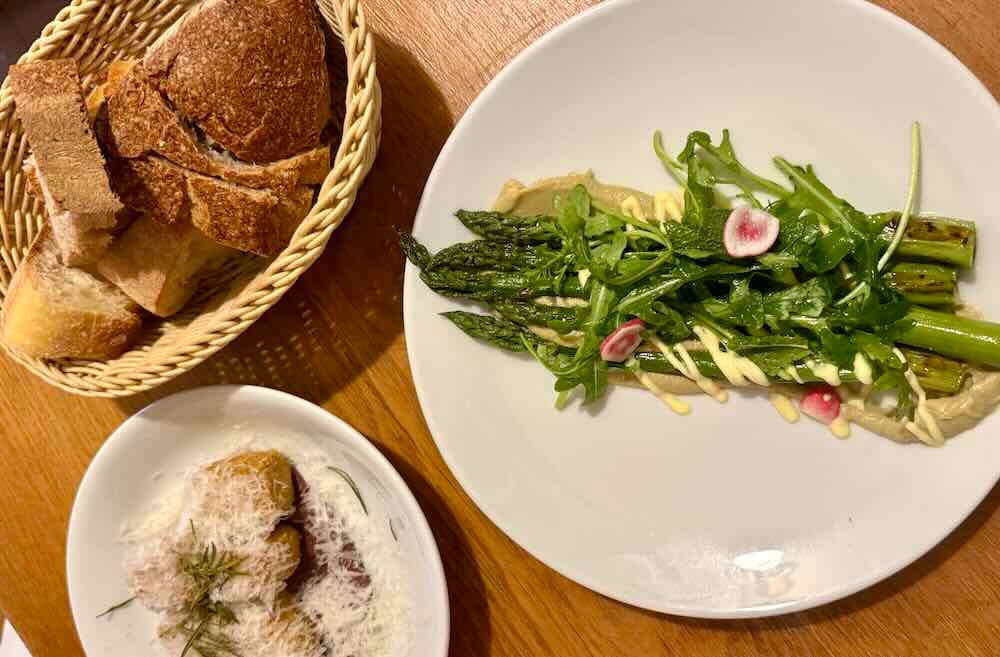
L’Ebauchoir restaurant in Paris
I spent last week immersed in the Languedoc wine region in southwest France (much more on that soon) and had not quite 20 hours in Paris before coming home. I reached out to one of the owners of the soon-to-open, hotly anticipated Guillotine Bakery in Chicago on June 17 for a restaurant recommendation. I asked for something local, very French, not trendy, and not too pricey. And he nailed it with L’Ebauchoir. A simple menu with modern-yet-classic dishes. It felt almost like Lula Cafe with its gorgeous platings of seasonal fare. If you’re going to Paris, check out this place.
Make America Read Again
My friend Brian Bannon, who is the chief librarian for the NYPL, wrote a brilliant opinion piece in the NYT about how we, as a society, really need to start reading again. So start by reading this gift article.
VinePair’s Timeline of Rosé
Ever wonder how we got to where we are today in regard to rosé? Wonder no more.
Hello! I loved your piece about World Cup wines. My dad, Paul Zimmerman, wrote a wine column for the Princeton Packet and would have enjoyed it too. I also just read the oped about reading. Fantastic article, and so glad you shared. Two additions to it--men need to be encouraged to read more novels. Maybe men could start posting how cool and sexy it is to read novels. And libraries right now are also places to house during the day people who have nowhere else to go. Adding social workers to libraries might help.