
Spoiler Alert: You've Been Drinking Chardonnay All Along
Chablis, Sancerre, Chianti, Rioja. They're not grapes. They're where your favorite wines get produced.

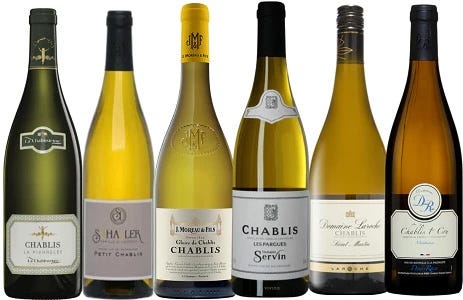
Chardonnay, the most-planted white grape globally, is also one of the most-popular and most divisive wines. People tend to either love it or can leave it. I’ll stop short of saying people hate it because often times they love it. They just sometimes don’t know they’re drinking it.
They swear up and down they will never drink chardonnay (aka ABC — Anything But Chardonnay), but will happily order a glass of Chablis when they see it on a wine list. When it gets pointed out they’re drinking chardonnay, I’ve actually heard someone say, “No, it’s Chablis.” I’ve also heard people say they’re not drinking chardonnay, but rather a white Burgundy.
What they clearly don’t realize is Chablis and white Burgundy are both — wait for it — chardonnay! The misconception comes from how people refer to a wine based on its place of origin. This is especially true with Old World wines, or wines that hail from Europe. The laws governing wine and how and where it’s produced are much stricter across the pond.
The rules are looser in America and other New World wine regions. You wouldn’t ask a server for a glass of Napa. Sure, Napa produces many cabernet sauvignons and chardonnays, but also pinot noir, sauvignon blanc, merlot, and more. So ordering a glass of Napa doesn’t really work.
The American Viticultural Area (AVA) rules set by the Alcohol and Tobacco Tax and Trade Bureau (TTB) apply more to how a wine gets labeled. For instance, to write Napa Valley on a label, at least 85% of the grapes used in the wine must be grown and sourced from Napa County. This rule applies to wine produced in any of the 276 AVAs in the United States. The wine must also be fully finished (aged, bottled, etc.) within that state. So while a winery in Ohio can source grapes grown in Napa, it cannot call that a Napa wine. Make sense?
Now let’s get back to the Old World. Chardonnay hails from France’s Burgundy region, one of the world’s preeminent wine-growing regions. The Chablis AOC (Appellation d'Origine Contrôlée, France’s certification, which is much more rigid than America’s AVAs) sits at the northern most part of Burgundy. It is a cooler climate area producing gorgeous citrus-apple-pear forward chardonnay that rarely if ever gets aged in oak. It’s a more steely, crisp style that is the antithesis of the oaky, buttery chardonnay the ABC crowd avoids. Hence why some people love Chablis while otherwise hating on chardonnay.
Other French wines you probably know
Chablis is not alone in this sometimes confusing naming convention. Many European wines get named for the region or even the town in which they’re produced. Let’s stay in France. Want a glass of Bordeaux? You’re getting wine that’s either mostly cabernet sauvignon or merlot, blended with cabernet franc, petit verdot, and/or malbec. Sancerre? Sauvignon blanc from the Loire Valley. Sauternes? This coveted dessert wine is made from aged sauvignon blanc and sémillon in the south of Bordeaux.
Two more in France: Beaujolais and Côtes du Rhône. If you know Beaujolais, you may be familiar with the nouveau, which gets released on the third Thursday in November. It’s a young and fresh wine due to it getting fermented and bottled mere weeks after harvest. But the grape here isn’t Beaujolais. That’s the region, which sits between Burgundy and the Rhône. The grape is gamay. It’s a light-bodied wine (similar to pinot noir) with notes of bright red fruit like raspberry, strawberry, cherries, and currants, and can be floral at times.
When you ask for a red Rhône, what’s in the glass will often be a GSM blend. That’s grenache, syrah, and mourvèdre. Sometimes cinsault. These are medium-to-fuller bodied wines that can be both rustic and silky, with red and black fruit, herbal notes, and more. I love these wines, especially when used to make crisp and dry rosé that also have body.
And then there’s Champagne. Yes it’s sparkling wine, but this is the only region in the world that can call its sparkling wine Champagne. Named for the region, it’s made from three official grapes: pinot noir, pinot meunier, and chardonnay. Welp, there’s that chardonnay again. And no, it’s not Chablis, yet still chardonnay.
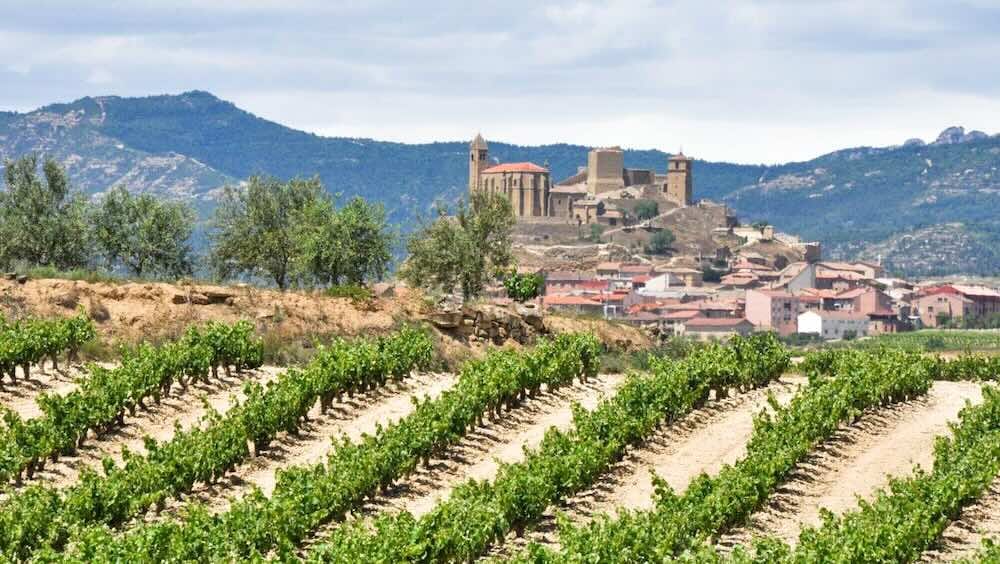
Spanish, Italian, and Portuguese wines play this game, too.
Ever order a Rioja? You may think this is the wine as many have confused, but like Chablis, it’s the region. Situated in northern Spain, Rioja produces mostly tempranillo wine. Rioja wines can officially also include garnacha (also known as grenache in France), mazuelo, and graciano. White Rioja is mostly viura with malvasia and garnacha blanca. Ever order a glass of Sherry? That fortified wine made in Southern Spain in Jerez (Spanish for sherry, get it?) comes from palomino as well as Pedro Ximénez (PX) and moscatel.
Then there’s Italy. Ah Italy, where there are a reported 2,000-plus indigenous grape varieties (I’ve even heard upwards of 3,500). Yet only 350 (and I say only quite loosely) officially sanctioned grapes. These range from the more known pinot grigio and sangiovese on down to very esoteric grapes.
You might ask for a Chianti or Chianti Classico or possibly Brunello di Montalcino. All three are made from sangiovese. I’m sure you’re heard of and likely even enjoyed Barolo or Barbaresco. Those are both towns in the Piedmont region where nebbiolo is grown to produce those noble wines.
Want Valpolicella (or maybe Amarone della Valpolicella)? You’re getting corvina, molinara, and rondinella from the Veneto. Prosecco? That’s glera, also from the Veneto. Etna Rosso or Etna Bianco? Mostly nerello mascalese or carricante, respectively, grown in Sicily.
Last, in summertime, you may reach for a very chilled, very fresh zesty Vinho Verde. You, like me, may have thought this was the wine. Guess what? It’s also a region. Set in the north of Portugal just below Spain’s Rias Baixas, these “green wines” comprise a blend of any combination of loureiro, alvarinho, arinto, trajadura, azal, and a few others you likely also have never heard of.
Yes, it’s a lot to take in and maybe you don’t care and just want to drink a glass of wine. But once you know all these areas and terms, it makes understanding a wine label a bit easier — and ordering a wine more enjoyable knowing what you’re drinking. And to that, I say order whatever makes you happy. Cheers!
SG List: Things I’m high fiving this week
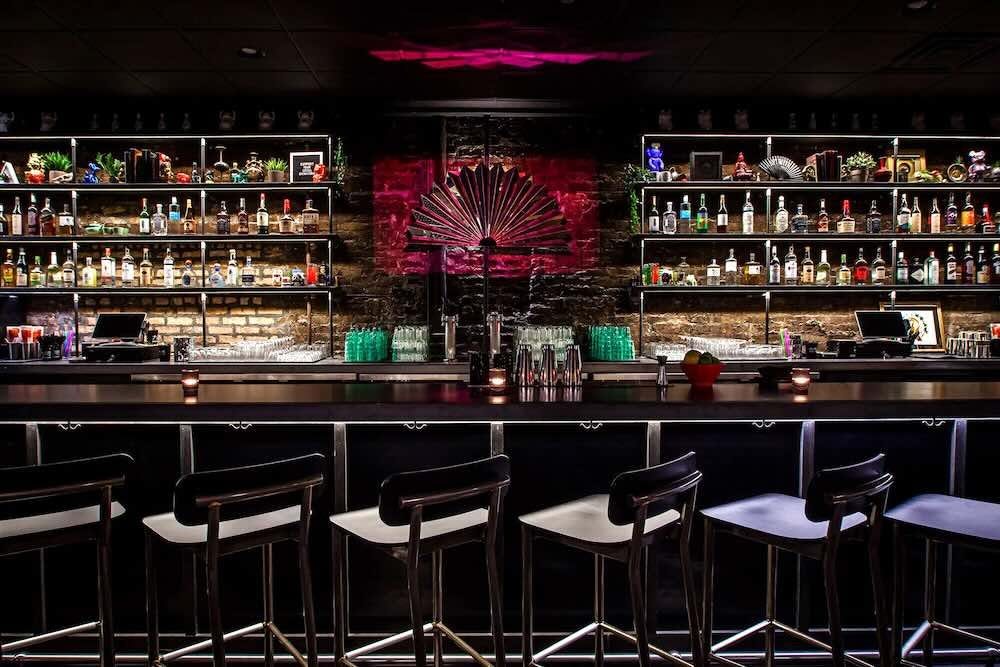
The most essential bars in Chicago
My pal Maggie Hennessy wrote this great article for Wine Enthusiast. From Violet Hour to Nine Bar to Big Chicks there are some gems in here.
Theaster Gates: When Clouds Roll Away
At its height, the Chicago-based Johnson Publishing Company — home to Ebony and Jet — was the largest Black-owned media company in the world. Artist and visionary Theaster Gates is now showcasing a host of JPC memorabilia and artifacts — vintage midcentury modern furniture, photography, periodicals, trophies, and other ephemera — over three floors at the Stony Island Arts Bank. The exhibit is open through March 15.
Sunday Dinner Club is back!
The precursor to Honey Butter Fried Chicken has returned for its 20th season following a three-year hiatus. Headed by chefs Christine Cikowski and Josh Kulp, SDC started off as an intimate, underground supper club and sprouted a whole bunch of great meals and memories. You can now experience that with their casoulet dinners and more. If you act quickly enough, jump on it for tonight’s (Feb. 13) Brandini winemaker dinner. Otherwise check the dates for what’s coming up.
Conceited by Lola Young — is she the new Amy Winehouse? Maybe not, but damn if she doesn’t have chops.
Barkeep! I'll have a glass of your finest Napa!
Does this mean Boone's Farm is considered a region? ;)